

Planning your meeting day
A full diary can look productive on paper and still leave you flat by the second day. This guide helps buyers and exhibitors pace meetings, protect energy and make time for the conversations that matter.
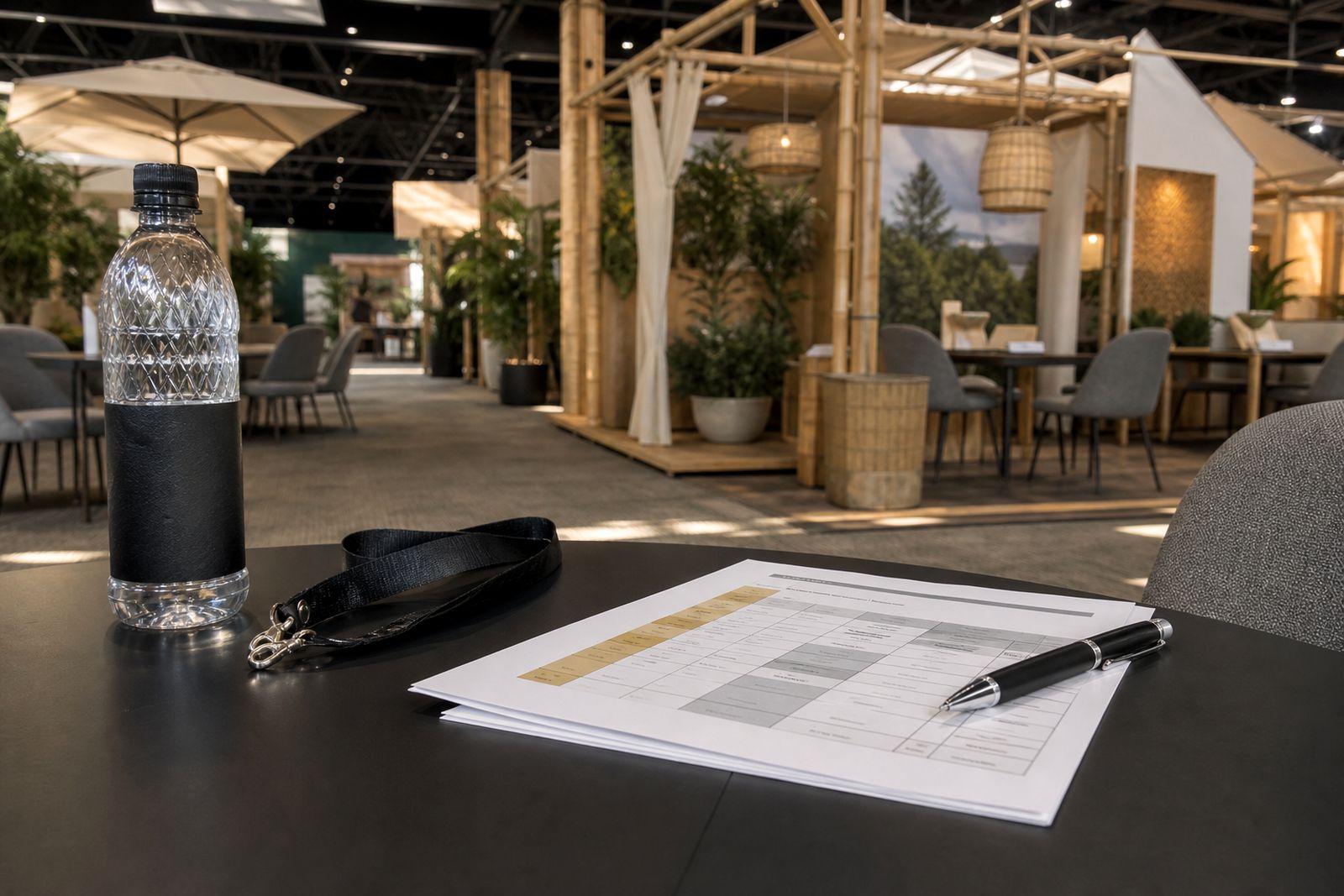
Start with a realistic daily limit
The fastest way to burn out is to treat every open slot as if it must be filled. A better approach is to decide what a workable day looks like before you accept or request meetings. Think about how you normally speak, listen, take notes and move between stands or tables. If each conversation needs a few minutes to settle, then a diary packed back to back from morning to late afternoon will cost you by day two.
Set a daily limit that leaves room for delays, a longer conversation that turns useful, and a short reset between appointments. Buyers often do better when they keep a little space around priority meetings. Exhibitors usually benefit from holding a few flexible slots for strong prospects who want a follow-up while they are still fresh.
- Choose your top meetings first and place them in your strongest hours.
- Leave short gaps between some appointments for notes and water.
- Keep one or two catch-up spaces in the day where possible.
- Do not accept a meeting just to fill a blank if it is not a fit.
Group meetings by purpose, not only by availability
When you build your day around random open times, you switch gears too often. That is tiring, and it can make your questions feel rushed. Instead, try grouping meetings by topic, product type or region. If you are a buyer, place similar supplier conversations near each other so your comparisons are clearer. If you are exhibiting, schedule early meetings for new business and later ones for follow-up or partnership chats that may run a bit wider.
This also helps with your paperwork. You can prepare one set of notes for a group of related appointments, rather than starting from scratch each time. By midday your brain is already carrying a lot, so reducing context switching helps more than most people expect.
If you know there are destination pavilions or sections you want to walk through, keep that walk in one block rather than trying to squeeze it between formal appointments. That small change can save your feet and your focus.
Protect your best energy for priority meetings
Not every meeting has the same weight. Some are first introductions, some are rate or product updates, and some are the ones that can shape your season ahead. Put your most important appointments in the part of the day when you are usually alert and steady. For many people that means avoiding a late afternoon slot for the one meeting they really need to get right.
It also helps to rank meetings in three simple groups before the expo starts. Your diary then becomes easier to manage when changes happen. If a lower-priority meeting needs to move, you can do that without affecting your core day too much.
- Priority A: must-attend meetings with clear commercial value.
- Priority B: useful meetings that support current plans.
- Priority C: exploratory conversations if time allows.
Once you have this order, build your day around A first, B next and C last. It sounds basic but many people skip this step, then wonder why they finish the day busy but not satisfied.
Build in food, water and note time
Meeting quality drops quickly when you are hungry, dry or rushing with no record of what was said. Plan proper breaks instead of hoping you will find a gap. A short pause to drink water, use the facilities and look over your next appointment can reset your pace far better than pushing through. Sandton days can be long, and expo halls or meeting areas often feel warmer and louder than expected once the programme is in full swing.
Keep your note-taking simple. You do not need to write every detail. Record only what you will need later: next step, key fit, follow-up material needed and anything time sensitive. If you leave this until evening you may forget which conversation led to which action, and then the value of a good day gets lost in admin.
- Carry water and refill whenever you get the chance.
- Block time for a proper lunch, not only a quick snack.
- Write three to five bullet notes straight after each key meeting.
- Keep chargers or a power bank with you in case of power cuts affecting charging points.
Plan for movement, delays and last-minute changes
Even a well-run event has human timing in it. A previous discussion runs over, someone gets held up at registration, or a promising chat on a stand takes five minutes longer than expected. If your diary has no breathing room, a small delay early on can upset the rest of the day. That is why your plan must include travel time within the venue area, waiting time and the odd change.
Before the expo opens, familiarise yourself with where your must-visit areas are. Know the route between your own stand or base point and the sections where your main meetings will happen. Comfortable shoes matter more than people admit and a lighter bag helps by the afternoon.
When a change comes, stay practical. Confirm the new time, note it immediately and move on. dont spend half the morning trying to rebuild the whole day because one slot shifted. Protect the important meetings and let the lower-priority ones flex where they can.
End each day with a short reset for the next one
The best way to stay effective across three days is to close each day properly. You do not need a long review. Fifteen to twenty minutes is usually enough to tidy notes, flag follow-ups and check the next morning's first appointments. This small routine stops day two starting in a scramble and helps you sleep with a clearer head.
Review what worked in your pacing. Were your morning slots too tight? Did you leave enough time for walking the pavilions? Did a useful prospect appear and need a follow-up meeting? Use what you learn to adjust the next day while there is still time.
- Mark urgent follow-ups while the conversation is still fresh.
- Recheck your first two meetings for the next day.
- Prepare any brochures, rates or product sheets you need in the morning.
- Set out comfortable clothing and recharge your devices overnight.
A steady pace beats a heroic one. If you finish each day a little tired but still able to think clearly, you have probably planned it well.
What our Travel Trade Expo customers say
Verified Google reviews
Questions we get asked
How many meetings should I book in one day?
Book only what you can handle without rushing every conversation. Leave space for notes, walking time, lunch and the occasional delay.
Should I keep gaps in my diary?
Yes. Short gaps help with note-taking, water breaks and unexpected changes, and they often improve the quality of your next meeting.
What if an important meeting needs to move?
Confirm the new time straight away, update your notes and protect the rest of your priority meetings. Let lower-priority appointments flex first.
Also worth a look

Exhibit or register as a buyer
Send a note through our contact form saying whether you want a stand, a pavilion place or a hosted-buyer seat, and our team will reply with the next steps.
Open the contact form