

Guides
These guides help exhibitors and hosted buyers prepare properly for Africa Expo in Sandton. Use this section to choose the advice that fits your role, your stand setup and the way you plan your meeting day.

What you will find in this guides section
This section brings together practical notes for the two main groups attending Africa Expo: exhibitors and hosted buyers. Some pages focus on how to present your product on the floor, while others deal with moving through a full day of pre-booked meetings without losing time between appointments.
If you are showing a lodge, camp or tour product, start with the stand-related guide first. If you are attending as a buyer from Gauteng, the Cape or Botswana, the planning guide is usually the best starting point because it helps you organise your diary, printed material and travel arrangements before you arrive in Sandton.
The aim is simple. You should be able to arrive knowing what to bring, what to keep with you, and what can stay in your room or vehicle until later.
How to choose the right guide
Pick your guide according to the job you need to do, not just your category. An exhibitor may need stand advice first, then meeting-day planning after that. A hosted buyer may need diary planning, but also a short checklist for brochures, rate sheets and destination notes.
- Choose Planning your meeting day if your main concern is moving between booked appointments, keeping notes and staying on time.
- Choose What to bring on your stand if you need help deciding on printed material, samples, display items and backup supplies.
- Read both guides if you are exhibiting and also taking a full diary of buyer meetings across all three days.
A good rule is this: if your questions are about timing, routes, appointment gaps and note-taking, start with planning. If your questions are about stock, handouts, signage and storage, start with the stand guide.
Exhibitor guide or buyer guide: a practical comparison
Exhibitors and buyers work the same floor but they do not prepare in the same way. The guide pages in this section reflect that difference, so it helps to be clear about where your pressure points are.
- Exhibitors usually focus on: stand materials, rate sheets, destination maps, availability notes, power bank charging, and keeping the stand neat through the day.
- Hosted buyers usually focus on: diary order, appointment research, transfer timing, business cards, comfortable shoes, and clear follow-up notes after each meeting.
- Exhibitors often carry more physical items: brochures, banners, branded table items, extension leads where permitted, and water for the team.
- Hosted buyers often carry less: a notebook, phone charger, business cards and a compact folder for collected material.
- Exhibitors need setup thinking: what stays on the table, what stays packed away, and what must be replaced during the day.
- Hosted buyers need pace management: how to avoid running late after a good meeting that goes on a bit too long.
If you are unsure which page to read first, ask yourself where a small mistake will hurt more. For a buyer, it is usually a missed or rushed meeting. For an exhibitor, it is often arriving with too much of the wrong material, or too little of the right material.
Preparing for booked meetings in Sandton
A full meeting diary can move quickly, especially when the floor is busy and conversations carry over. The planning guide is there to help you make sensible decisions before you leave for Sandton, not while you are already under pressure on the day.
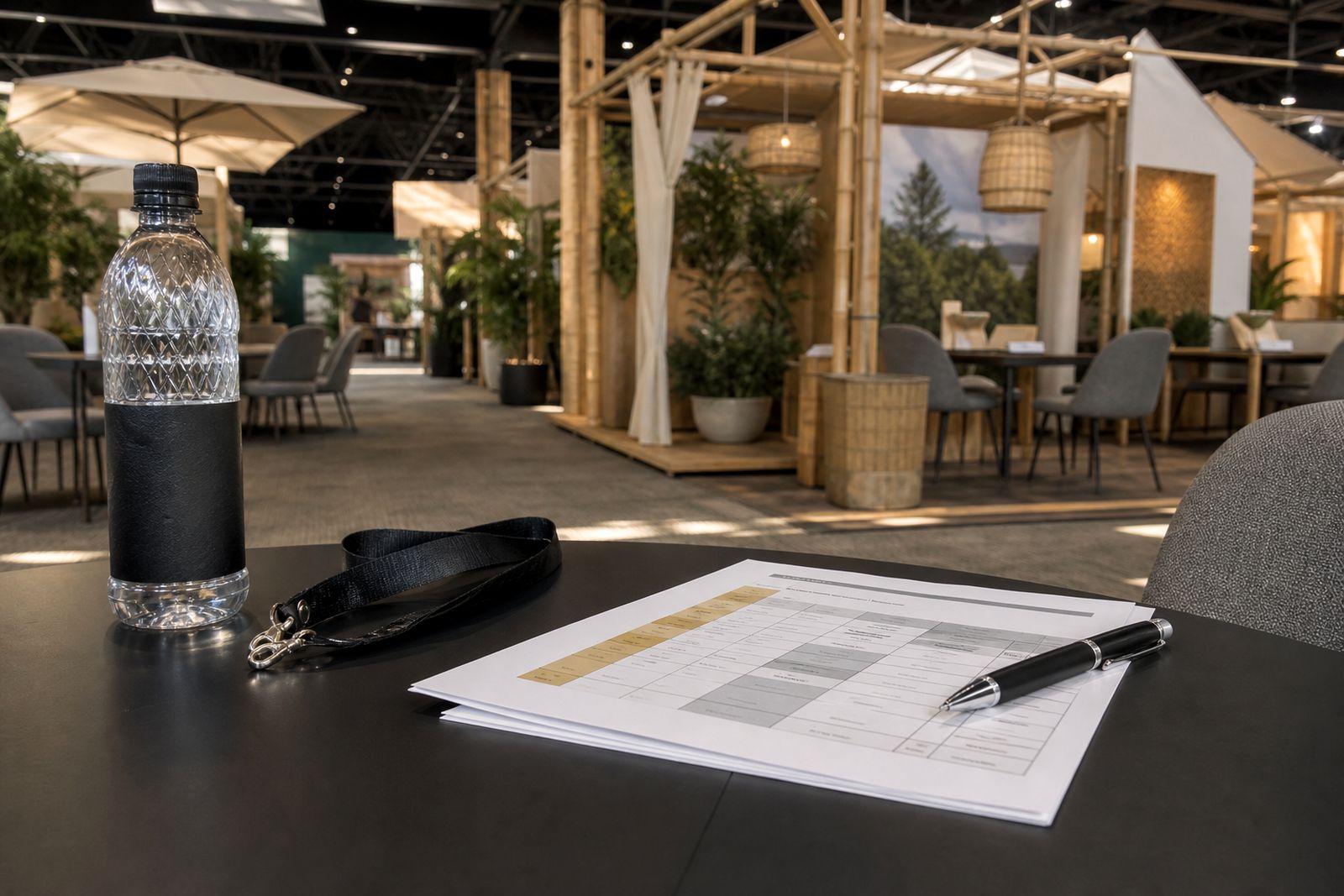
Try to prepare around meeting blocks rather than the whole day at once. Group your key priorities, keep destination notes brief and leave space to jot down next steps after each appointment. It sounds basic but a simple paper notebook still helps when your phone battery drops late in the afternoon.
- Check your diary order before you travel.
- Keep a short list of must-see meetings and a second list of useful extras.
- Pack a charger and power bank in case of power cuts while travelling or at your accommodation.
- Wear shoes you can stand in for long periods.
- Carry water and a light snack, particularly if your meetings run back-to-back.
Buyers coming in from Gauteng, the Cape and Botswana often have different travel routines, but the same principle applies to all of them: plan for delays, keep your documents together and do not arrive with loose papers all over your bag.
What exhibitors should think about before packing
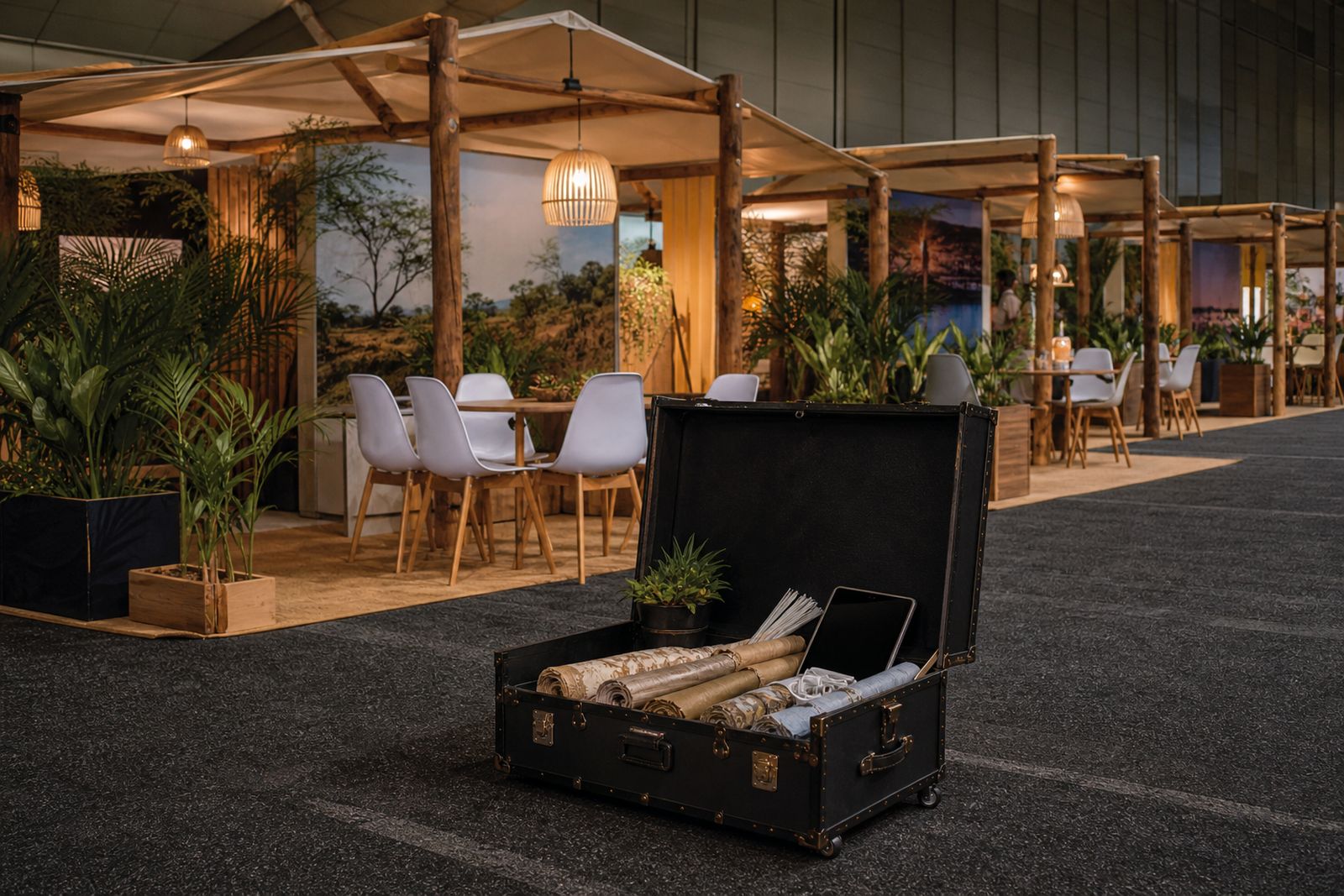
The stand guide is most useful before you start loading boxes. Many exhibitors bring too much printed material and not enough working material. A rate sheet, product summary and clear contact note are usually more useful than a heavy stack of general brochures.
Think about what a buyer can realistically carry away after several appointments. Compact, readable handouts tend to work better than bulky packs. Also think about the condition of your display items after travel, especially if you are coming from a humid coastal area and bringing paper stock or fabric pieces that can crease or curl a bit.
- Bring only the handouts you expect to use well.
- Keep important papers in a flat folder, not loose in cartons.
- Pack tape, pens, wipes and spare clips for quick fixes.
- Carry a backup digital copy of rates and product sheets.
- Keep valuables and essential papers with the operator, not unattended on the stand.
If something must look neat on the table, test-pack it first. A rushed setup can make even good material look scrappy and that is easy to avoid.
Use these guides to make follow-up easier
The best preparation does not only help on the expo floor. It also makes follow-up easier once meetings are done. A buyer with tidy notes can compare products properly later. An exhibitor with organised lead notes can reply faster and more accurately after the event.
That is why these guides focus on practical habits rather than general advice. Label your papers, keep your notes in order and decide in advance how you will record the outcome of each conversation. Even a small system works well if you stick to it.
Start with the page that matches your biggest need right now, then come back for the second guide once that first job is sorted. It saves time and helps you arrive prepared, calm and ready to talk business.
What our Travel Trade Expo customers say
Verified Google reviews
Questions we get asked
Who are these guides for?
They are for exhibitors and hosted buyers attending Africa Expo in Sandton, including agents travelling from Gauteng, the Cape and Botswana.
Which guide should I read first?
If you need help with your appointments and diary, start with Planning your meeting day. If you need help with stand materials and packing, start with What to bring on your stand.
Do the guides include exhibitor and buyer checklists?
Yes. The guides focus on practical preparation, including what to carry, what to pack, and how to stay organised through a full day of meetings.
Exhibit or register as a buyer
Send a note through our contact form saying whether you want a stand, a pavilion place or a hosted-buyer seat, and our team will reply with the next steps.
Open the contact form