

Destination pavilions
Destination pavilions bring related exhibitors together in shared country and regional areas across the expo floor. This page explains how the pavilion options work and how to choose the best fit for your market focus, meeting style and stand goals.
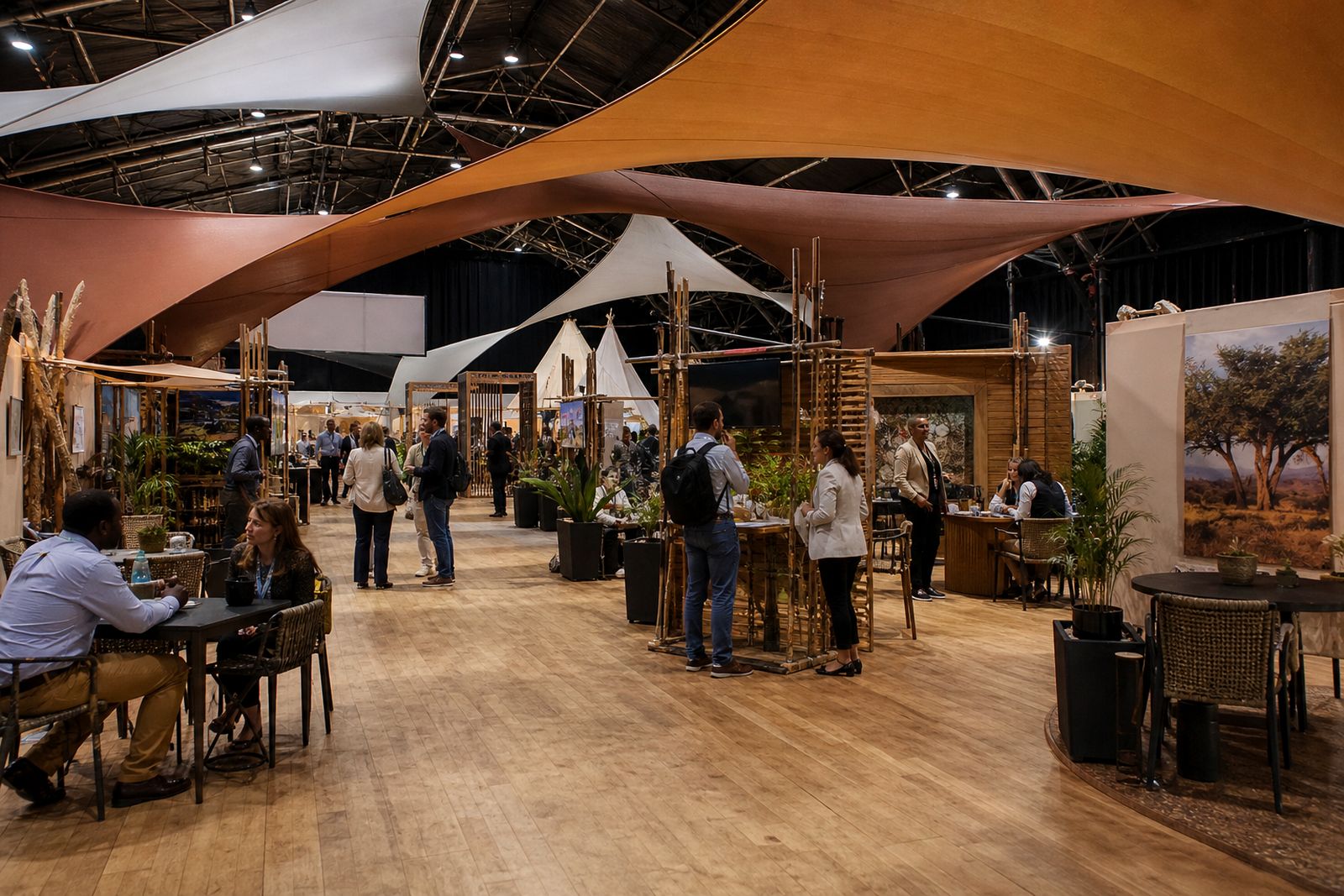
What destination pavilions are
Destination pavilions are grouped floor areas where exhibitors from the same country or part of the continent present side by side. For buyers, this makes route planning simpler because related products are close together. For exhibitors, it places your stand within a clear geographic context, which helps agents and operators compare itineraries, access points and product types without crossing the whole hall.
At Africa Expo, the pavilion section is aimed at trade visitors rather than the general public. That means the layout supports scheduled appointments, walk-up trade conversations and follow-up visits during the three expo days. If your sales conversations depend on showing how your property, ground service or itinerary fits into a wider destination offering, a pavilion position can be a practical choice.
How to choose the right pavilion option
The right pavilion choice depends on who you need to meet and how buyers usually search for your product. Some exhibitors want to sit within a broad regional flow so they catch buyers comparing several destinations in one pass. Others need a more specific country grouping because their trade relationships, routing and contracting are tied to one market.
- Choose a country-focused position if most of your appointments depend on one destination identity, one set of access routes or one contracting pattern.
- Choose a regional grouping if your product suits multi-country itineraries or if buyers often bundle your service with neighbouring destinations.
- Choose pavilion space over a standalone stand if you want stronger geographic context and easier buyer wayfinding.
- Consider your diary style because heavy pre-booked schedules usually benefit from a recognisable, easy-to-find pavilion location.
If you are unsure which area fits best, start by looking at whether buyers describe your product by country first or by route first. That one check often clears things up quite quickly.
Country areas versus regional areas
Both options sit within the destination pavilion section, but they serve slightly different sales patterns. Country areas tend to work well where buyers arrive with a set destination brief and want to compare lodges, camps, handlers or activity suppliers within one national market. Regional areas are useful where trade conversations are broader and involve circuit planning, combinations and seasonal alternatives.
- Country areas suit focused destination selling, repeat buyer relationships and easier brand association with one market.
- Regional areas suit cross-border touring, varied product portfolios and buyers building longer itineraries.
- Country areas can make short appointments more efficient because the buyer is already in the right destination zone.
- Regional areas can create more discovery, especially for agents comparing fresh options for the same client brief.
Neither option is automatically better. It depends on whether your strongest conversations start with a destination name, or with a traveller type, budget range and route pattern. A few exhibitors change their preference from one expo to the next when their trade pipeline shifts.
What buyers can expect on the floor
For hosted buyers and trade visitors, the pavilion layout helps with practical planning. Agents from Gauteng, the Cape and Botswana often arrive with a full diary, so grouped destination areas reduce walking time between meetings and make it easier to add an extra stop between booked slots. Tour operators also benefit because neighbouring stands often provide useful comparison points during itinerary planning.
In a pavilion setting, buyers can usually move from a scheduled meeting into a nearby exploratory conversation while the destination theme is still fresh. That matters on a busy day when decision-making happens quickly. It also helps when an operator needs to solve a gap in a route, check seasonality across a region or compare different accommodation styles in one area.
If your meetings depend on context and proximity, pavilion placement does a lot of quiet work in the background even before the conversation starts.
Best fit for different exhibitor types
Destination pavilions can suit several kinds of exhibitors, but the reason differs from one category to another. Lodges and camps often use pavilions to stay close to the destination story buyers already understand. Ground handlers may prefer them because route planning and on-the-ground support are easier to explain beside related destination products. Tourism-facing suppliers with multi-stop offerings may benefit from a regional grouping where combination travel is part of the sales pitch.
- Lodges and camps: good for destination-led buying and easier product comparison.
- Tour operators: useful where programmes cover one country or linked regional circuits.
- Inbound services: practical for explaining transfers, routing, park access and border logistics.
- Multi-destination products: often better in a regional area where buyers are planning combinations.
If your stand message is simple and place-based, a pavilion usually helps. If it needs more individual build-out or a very tailored presentation format, another exhibiting option may suit you better.
Explore the pavilion pages before you enquire
This section is divided so you can look at the broad geographic options before sending an enquiry. Start with the pages for East and Southern Africa pavilions and West and North Africa pavilions, then compare them against your buyer list, your usual appointment length and the type of product story you need to tell. That will help you ask for the right pavilion area from the start.
When you are ready, use the enquiry form on our contact page and tell us what you exhibit, which buyers you want to meet and whether your product is best understood at country or regional level. A clear brief saves time for everyone, and it usually leads to a better floor position too.
Explore the range
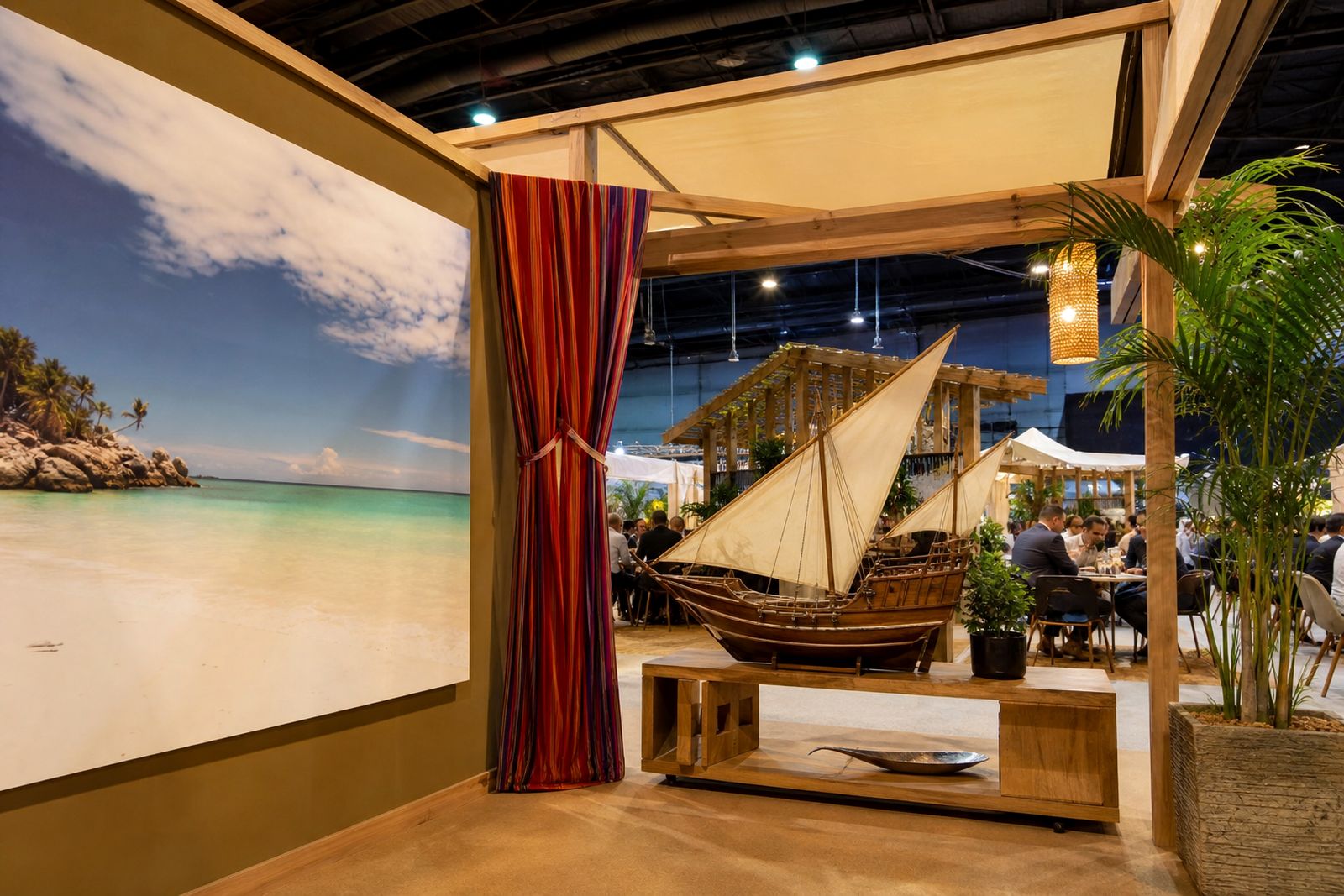
East and Southern Africa pavilions
A practical pavilion option for East and Southern Africa products that need strong trade visibility and organised meetings.
Read more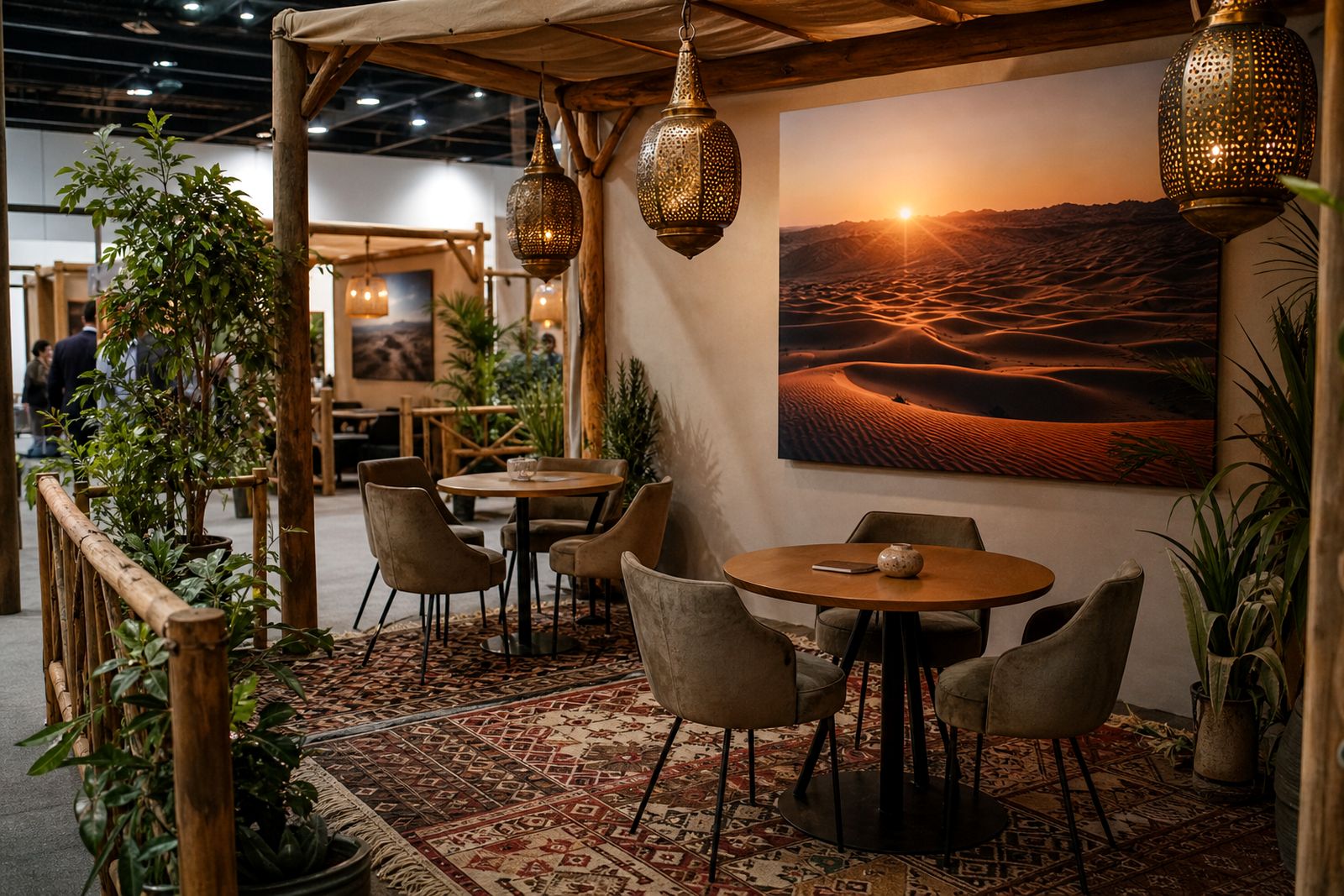
West and North Africa pavilions
A focused pavilion option for suppliers selling West and North Africa to Southern African trade buyers.
Read moreWhat our Travel Trade Expo customers say
Verified Google reviews
Questions we get asked
Who should exhibit in a destination pavilion?
Destination pavilions suit exhibitors whose trade conversations are closely tied to a country or region, including lodges, camps, tour operators and destination service providers.
Can buyers from outside Sandton use the pavilion areas?
Yes. The pavilion areas are intended for the full trade audience at the expo, including hosted buyers travelling from Gauteng, the Cape and Botswana.
How do I decide between a country area and a regional area?
Choose a country area if buyers usually search for your product by one destination. Choose a regional area if your sales depend more on multi-country routing and comparison.
Exhibit or register as a buyer
Send a note through our contact form saying whether you want a stand, a pavilion place or a hosted-buyer seat, and our team will reply with the next steps.
Open the contact form