

East and Southern Africa pavilions
Our East and Southern Africa pavilions group safari, beach, city and circuit products in one clear trade area for focused buyer meetings. They are set up for tour operators, lodges and travel agents who want related products close together over three working days.
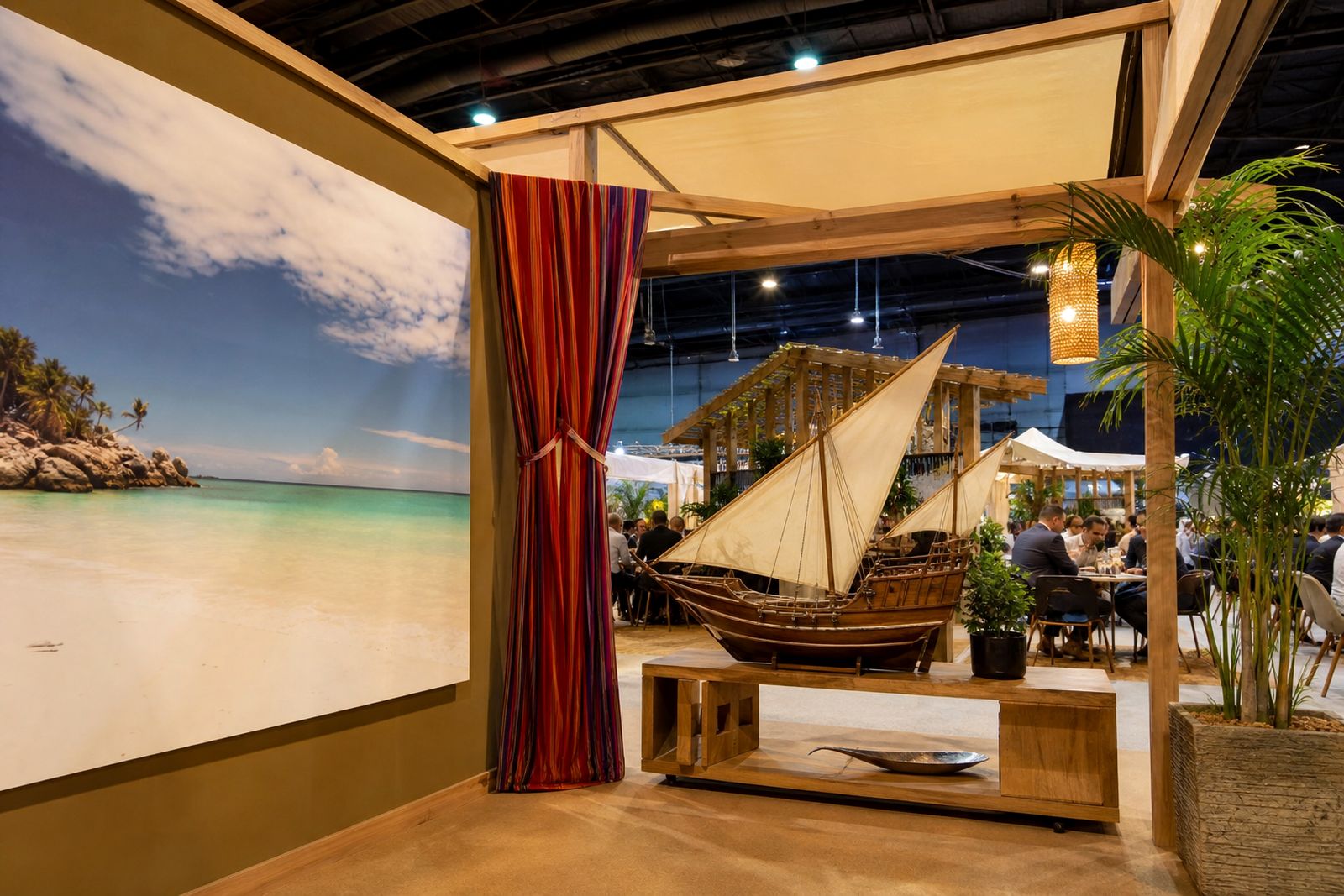
What this pavilion includes
The East and Southern Africa pavilion is intended for exhibitors whose products sit naturally together in the same buying conversation. That can include safari areas, Indian Ocean coast products, city stays, rail or road circuits, and combination itineraries that move across more than one country. By grouping these offers in one zone, buyers can compare routing, seasonality, transfer times and packaging options without walking across the full expo floor.
Your pavilion booking includes a defined branded area inside the wider expo, listing under the pavilion category, access to the booked meeting system, and support from our operations team before move-in and during the show. Depending on the stand format chosen, the space can suit a single exhibitor or a shared country or regional presentation. It works well for trade sellers who need to explain connections between bush, coast and city product, or who want to show a fuller itinerary rather than one property on its own.
- Position within the East and Southern Africa pavilion zone
- Exhibitor listing linked to the relevant pavilion category
- Access to pre-booked buyer meetings during the three-day expo
- Operations guidance for setup, opening hours and breakdown
- Practical help on signage limits, meeting flow and shared-space use
How the booking and setup process works
We start with an enquiry through the contact page, then confirm whether your product suits the East and Southern Africa pavilion or whether another exhibiting format may fit better. Once your participation is confirmed, our team sends the pavilion details, space options and the information needed for your listing. We also explain the key deadlines for artwork, exhibitor names and diary setup.
After that, the pavilion planning moves in a simple sequence. First, we confirm the stand or table format. Second, we collect your trading profile so buyers can understand what you sell and where it fits. Third, your meeting diary access is prepared so you can review suitable buyer requests and keep your times tidy. Fourth, we brief you on move-in, exhibitor access, power availability and what is allowed on the stand. Last, our floor team checks that the pavilion is ready before the first morning opens.
- Enquiry and suitability check
- Booking confirmation and pavilion allocation
- Collection of exhibitor profile, logos and product summary
- Meeting diary setup and buyer matching
- Move-in briefing and onsite operations support
This step-by-step process keeps things practical and avoids last minute confusion, which matters when exhibitors are travelling in from different parts of the continent.
What exhibitors should prepare before arrival
The most useful pavilion exhibitors arrive with a clear trade message. Buyers generally want to know where you operate, what type of product you sell, who the product suits, the rate positioning, and how easily it can be packaged with nearby destinations. If your offer covers safari, beach and city combinations, prepare one short explanation for each route option rather than a long general pitch. That usually works better in a timed meeting slot.
Please also prepare your printed and digital material for a trade audience rather than direct consumers. Include route maps, transfer information, room or vehicle mix where relevant, child policies if relevant, and any practical booking notes that affect packaging. In Sandton buyers often move quickly between appointments, so simple material tends to get used more often than bulky handouts. Bring enough stock for the full expo but keep the stand neat, it makes a differnce.
- Short company profile focused on trade sales
- Clear destination or circuit summary
- Rates guidance or package structure for trade discussion
- Maps, itineraries and transfer notes
- Branded clothing or name badges for the operator on the stand
- Backup copies of artwork and documents on a memory stick or cloud link
If you are sharing pavilion space with partner products, decide in advance who leads each buyer conversation and how handovers will work between products. That small bit of planning saves time on the day.
Stand format and pavilion specs
The East and Southern Africa pavilion is arranged for steady trade traffic and practical meeting use. Stand sizes and furniture can vary by booking type, but the aim is always the same: enough branding to identify your destination clearly and enough seating for booked conversations. Shared regional presentations usually need stricter branding discipline so that each product can still be understood at a glance.
Where power is supplied, exhibitors should still prepare for short power cuts by keeping devices charged and printed material on hand. If you are showing video, keep it muted or low volume unless approved for the space. Strong lighting, clear logos and one good map are usually more useful than complicated displays. Coastal products often bring large scenic visuals, while safari products often bring itinerary boards. Both work well if the message is concise and the stand remains easy to enter.
- Trade-focused layout with meeting seating
- Branding within pavilion guidelines
- Shared or individual space options depending on booking
- Power access where included in the booked package
- Suitable for print displays, route maps and lightweight promo material
How pricing is worked out
Pavilion pricing is based on the format you book rather than on vague sponsorship ideas. In general terms, the total will depend on the amount of floor space, whether the area is shared or dedicated, the type of branding required, the furniture and power included, and any extra visibility options linked to the expo programme. Placement inside a pavilion can also affect the final figure where a larger footprint or corner presentation is requested.
Hosted-buyer access and the meeting diary are part of the wider trade event structure, but your cost still depends mainly on the stand package chosen. Add-ons can include extra furniture, extra exhibitor passes where available, stronger branding elements, or special display needs that require additional handling. We keep the quoting process straightforward so that exhibitors can compare a basic package against a larger regional presentation without guessing what is or is not included.
Once you send your enquiry, we guide you to the most sensible option for your product type and meeting goals. That matters particularly for exhibitors balancing safari, beach and city products under one banner.
Support during the expo and aftercare
During the expo, our team monitors pavilion operations, assists with practical floor queries and helps keep the meeting environment orderly. We can point exhibitors to buyer check-in procedures, timing questions and the right contact for operational issues. The aim is to let your team focus on conversations rather than admin. If something on the stand needs attention, the operations team handles it as quickly as possible.
After the expo, exhibitors generally move into follow-up with the buyers they met. We encourage a simple follow-up routine: send the right rates or itineraries promptly, note special interests discussed at the meeting, and keep country combinations easy to quote. East and Southern Africa products often sell best when the onward routing is explained plainly, especially where a buyer is combining bush and beach or adding a city stop before departure.
If you are planning to return, post-event review is useful. Look at which buyer types matched your product best, whether your stand message was clear enough and whether a larger or smaller space would serve you better next time. A practical debrief now usually improves the next showing.
What our Travel Trade Expo customers say
Verified Google reviews
Questions we get asked
Can more than one product share a pavilion space?
Yes. Shared regional or country presentations can work well where the products complement each other and the stand message is planned clearly in advance.
Is the East and Southern Africa pavilion only for safari products?
No. It suits safari, beach, city, touring and combination itineraries, provided the product fits the East or Southern Africa focus of the pavilion.
How do we apply for a space in this pavilion?
Please use the enquiry form on our contact page. We will review your product type and guide you to the most suitable exhibiting option.
Also worth a look

Exhibit or register as a buyer
Send a note through our contact form saying whether you want a stand, a pavilion place or a hosted-buyer seat, and our team will reply with the next steps.
Open the contact form